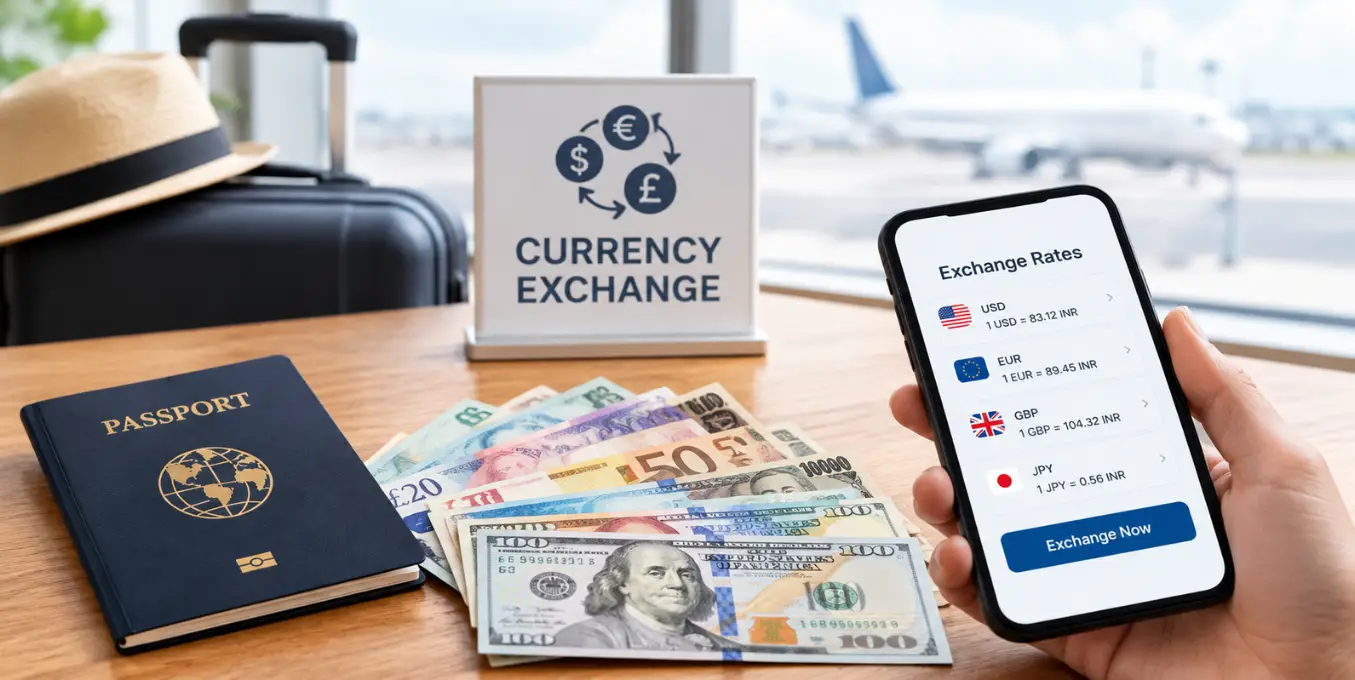

Travelling abroad, sending money to family, or paying for overseas education? Whatever the reason, it is necessary to deal with foreign currency the right way. Every year, thousands of Indians go abroad or invest in foreign countries, and each of these transactions is regulated by the foreign exchange policy of the RBI.
The Reserve Bank of India (RBI) establishes very strict regulations to make sure that the foreign currency exchange in India is legal, transparent, and safe. These rules safeguard the economy and the people by preventing the misuse of funds, unauthorised transactions, and currency fraud.
Whether you’re a first-time traveller or a frequent flyer, understanding the RBI guidelines for foreign exchange transactions is crucial. It can assist you in making your international payments without any hitches and remain in accordance with Indian laws.
The Role of RBI in Foreign Exchange Transactions
RBI plays a crucial role in the stability of India’s foreign exchange. It regulates all the transactions of buying, selling, and transferring foreign currency under the Foreign Exchange Management Act (FEMA).
In other words, whenever you purchase dollars, euros, or any other currency in India, it must follow the RBI’s guidelines. The regulations help the government keep track of the amount of foreign money that travels out of the country and ensure that it is used only for legitimate purposes such as travel, education, medical treatment, or business.
In short, the RBI’s foreign exchange policy helps maintain India’s high foreign reserves and ensures that all transactions are conducted lawfully.
Key RBI Guidelines for Foreign Exchange Transactions
Before exchanging or sending foreign currency, it’s important to understand the rules set by the Reserve Bank of India. When it comes to foreign exchange transactions, these RBI guidelines make it legal, safe, and hassle-free to transact.
Use Authorised Dealers Only
You should use RBI-authorised dealers (banks, licensed money exchangers, or registered forex companies) to conduct all foreign currency transactions. This ensures that all transactions are authentic, accurately documented, and comply with legal provisions. Using unlicensed vendors can attract penalties and pose risks of fraud.
Limit on Currency Exchange
Under the Liberalised Remittance Scheme (LRS), individuals travelling to another country are eligible to receive up to USD 2,50,000 per financial year for purposes such as travel, studies, medical treatment, or gifting. Working within these limits ensures compliance with the Indian law and avoids unnecessary scrutiny from authorities.
Valid Documents Required
You must have valid KYC documents, such as your PAN card, passport, visa, and confirmed air tickets, when purchasing foreign currency. These checks are required to prevent money laundering, unauthorised remittance, and transparency in foreign exchange operations.
No Splitting Transactions
It is not possible to divide a single transaction into multiple small transactions to bypass RBI restrictions. All foreign exchange dealings during a financial year are aggregated, and any efforts to bypass the regulations can lead to fines or penalties.
Cash Limit in Foreign Currency
There is a limit of USD 3,000 (or equivalent) in cash that a traveller can carry. More than this should be in the form of a forex card or traveller cheques. This minimises the chances of theft, gives a more secure transaction, and ensures easier documentation during your travels.
Reconversion of Unused Currency
Any remaining foreign currency should be converted to Indian Rupees within 180 days of reentry into India. This enables the RBI to maintain accurate records of foreign exchange transactions and prevent the misappropriation of foreign funds.
Understanding the Liberalised Remittance Scheme (LRS)
Liberalised Remittance Scheme is one of the most significant sections of the RBI guidelines that touch on foreign exchange. It enables Indian residents to send money overseas up to a total of USD 2,50,000 for permissible uses each financial year.
The following are the uses of the LRS:
- Tuition fees or the cost of living in a foreign country.
- Holiday, business trips, or personal travelling.
- Medical treatments outside India.
- Purchasing property or investing in a foreign country.
- Sending money to family members living overseas.
All transactions in this scheme should be conducted through an authorised dealer, and you will be required to specify the purpose of remittance.
The LRS facilitates the international transfer of money in a straightforward manner, ensuring that the funds are spent effectively and in accordance with the law.
Documents You’ll Need for a Foreign Exchange Transaction
When dealing with a foreign currency, you must always have your documents in hand. The following are commonly required documents for currency exchange:
- Valid passport and visa
- PAN card
- Air ticket or travel itinerary.
- Aadhaar card (for verification)
- Form A2 declaration specifying the purpose of exchange or remittance
The documents are required to make sure that any forex dealings are within the RBI norms.
Dos and Don’ts for Foreign Exchange Transactions
When dealing with foreign currency, even small mistakes can lead to legal trouble or financial loss. To stay compliant with RBI’s foreign exchange policy, here are some important dos and don’ts to keep in mind:
Dos
- Always exchange or send money through authorised forex providers.
- Keep a record of all receipts for future reference.
- Check live exchange rates before completing your transaction.
- Follow the declared limits under the Liberalised Remittance Scheme.
- Declare the purpose of your exchange honestly.
Don’ts
- Never exchange money with unlicensed vendors or informal agents.
- Don’t try to send or carry more currency than allowed by the RBI.
- Avoid holding unused foreign currency for an extended period after returning to India.
- Don’t hide or misstate the purpose of your transaction; it may attract penalties under FEMA.
By following these dos and don’ts, you ensure a smooth and lawful exchange experience.
Why Following RBI Guidelines Matters
RBI’s foreign exchange policy is not just about rules; it’s about protecting your money and ensuring financial transparency. These regulations help prevent illegal transfers, reduce the risk of fraud, and maintain India’s economic balance.
Whether you’re exchanging currency for a trip, sending money to a relative, or paying for education abroad, staying compliant provides peace of mind and helps avoid penalties.
In the long run, responsible transactions strengthen the country’s financial system and build trust in authorised forex providers.
Conclusion
Understanding the RBI guidelines for foreign exchange transactions is crucial for anyone involved in transactions involving foreign currency. These rules make sure your money moves safely, legally, and transparently, whether it’s for travel, education, or investment.
Always choose trusted and authorised forex service providers like Unipay Forex, who follow RBI norms closely. By doing so, you’ll enjoy smooth, hassle-free foreign exchange transactions while staying on the right side of the law.
Frequently Asked Questions
Q1. Can I exchange money with any money changer in India?
No, you must only use RBI-authorised dealers, such as banks or licensed forex companies. Using unlicensed vendors is illegal and can lead to penalties.
Q2. What is the maximum amount I can send abroad under the Liberalised Remittance Scheme (LRS)?
Individuals can remit up to USD 2,50,000 per financial year for purposes like travel, education, medical treatment, or gifting. This limit applies to all your foreign exchange transactions combined in a year.
Q3. Which documents are required for buying foreign currency?
You need valid KYC documents such as your PAN card, passport, visa, and confirmed air tickets. These are mandatory to prevent money laundering and ensure regulatory compliance.
Q4. Can I split my foreign exchange transaction into smaller amounts to bypass limits?
No, splitting transactions is not allowed under RBI rules. All transactions in a financial year are aggregated, and attempting to bypass limits may attract fines or legal action.
Q5. How long do I have to reconvert unused foreign currency after returning to India?
Unused foreign currency must be reconverted within 180 days of your return. This ensures compliance with RBI regulations and proper accounting of foreign exchange transactions.