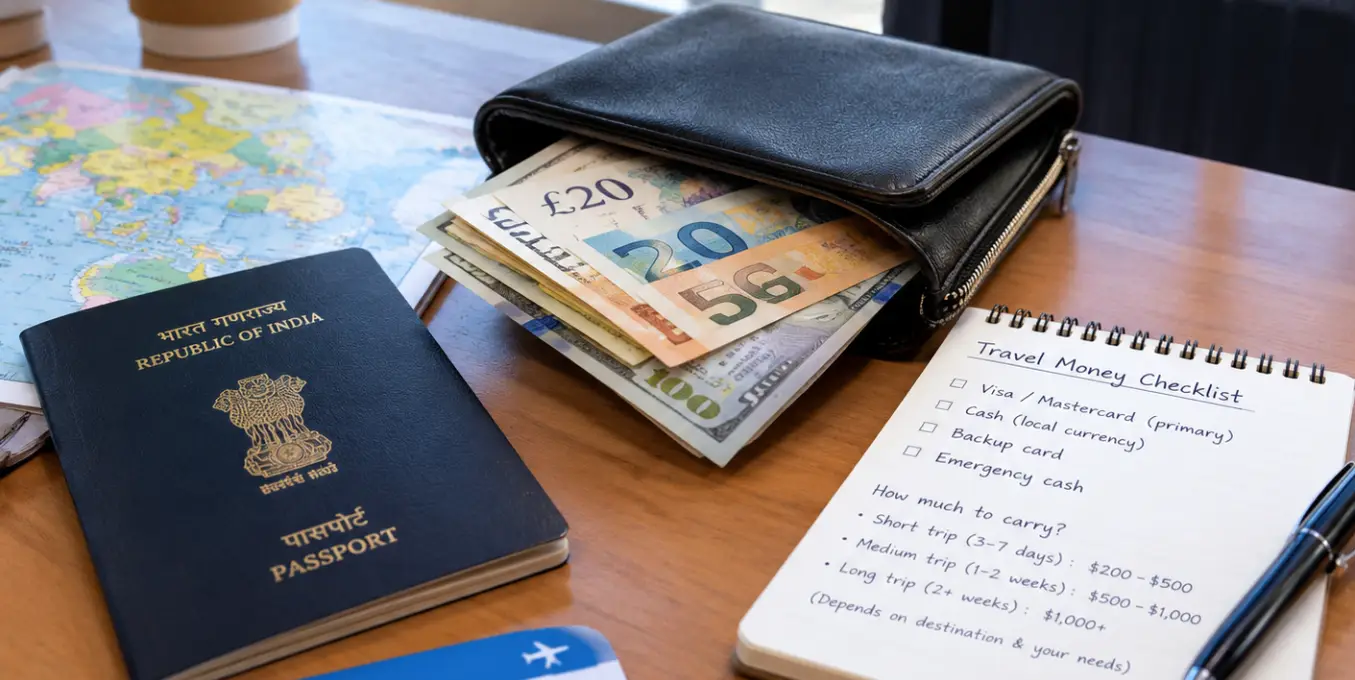

Foreign exchange rates have an impact on almost everything around us, even if we do not even notice it. They determine the price of imported goods, the cost of an overseas holiday, and foreign investors’ perception of a country as being attractive or not. These rates are constantly changing, sometimes even multiple times a day, due to their responsiveness to global news, economic policies, and political developments.
For many people, these fluctuations feel confusing or unpredictable. But understanding why exchange rates move can help travellers plan better, help students budget for studies abroad, and help businesses protect themselves from unexpected costs. Even small changes in a currency’s value can have a noticeable impact on expenses and long-term financial decisions.
This overview explains, in simple terms, what foreign exchange rates are, why they change, and how these movements affect you.
What Is a Foreign Exchange Rate?
A foreign exchange rate is the cost of one currency in relation to another. This rate indicates the amount of your domestic currency required to obtain one unit of a foreign currency. For example, if 1 USD is equivalent to 84 INR, it means that 84 rupees are required to purchase a single US dollar. These rates are not constant and are influenced by the market throughout the day, thus changing at every moment.
Exchange rates operate under two main systems:
- Fixed Exchange Rate: Some countries keep their currency value tied to another stable currency, such as the US dollar. The rate is set by the government or the central bank, which also guarantees its stability.
- Floating Exchange Rate: Most modern economies, including India, determine the value of their currency based on market demand and supply. The currency is allowed to move freely in the market, and the central bank intervenes only when necessary.
India uses a managed floating exchange rate where the market determines the value. But the Reserve Bank of India (RBI) may intervene to prevent extreme fluctuations.
Foreign exchange rates are determined in the global foreign exchange market, which operates 24 hours a day across various countries. Since the market is active all the time with traders, banks, investors, and companies constantly buying and selling currencies, the rates are in a continuous process of fluctuation.
Key Factors Affecting Foreign Currency Exchange Rate Fluctuations
The movements of foreign currency exchange rates are not random events. A variety of economic factors contribute to these fluctuations.
1. Demand and Supply of Currency
Currencies are subject to the same rules as other goods. The price of a currency increases when its demand rises and vice versa. For example, when more people want US Dollars for travel, education, or business, the dollar strengthens while the rupee weakens.
2. Inflation and Interest Rates
Typically, countries with low inflation have strong currencies. Additionally, interest rates have a significant impact on currency value. Foreign investors are drawn to high-interest rates due to the increased demand for the currency. When a country offers good returns, its currency is likely to appreciate.
3. Government and Central Bank Policies
The RBI impacts the rupee’s value through interventions such as buying or selling foreign currency in the market. For instance, if the rupee depreciates significantly, the RBI may sell dollars to support it. If the rupee appreciates too fast, the RBI can buy dollars to stabilize exports. These policy moves help mitigate excessive exchange rate volatility.
4. Political Stability and Global Events
Political uncertainties, conflicts, elections, or changes in policy often lead to investors being more cautious. This reduces confidence in a currency. Moreover, global events such as wars, fluctuations in oil prices, or worldwide recessions can also lead to drastic shifts in exchange rates.
5. Trade Deficits and Surpluses
A trade deficit means a country imports more than it exports. This increases demand for foreign currency and weakens the local currency. Conversely, a trade surplus leads to a stronger local currency because foreign consumers must use that currency to purchase goods.
6. Foreign Investment and Market Speculation
Foreigners buying shares, bonds, and properties in one country create increased demand for that nation’s currency. Speculators also influence rates. If large investors expect a currency to rise, they buy more of it, causing the value to increase further.
If you’re planning an international trip, it’s wise to arrange your forex before rates move further. You can get your currency exchanged safely and quickly through Unipay Forex for a smoother experience. Contact us today to know more.
Real-World Examples of Exchange Rate Movements
The changes in exchange rates can be noticed in several real-life situations that directly impact daily life. Here are a few clear cases:
- Rise in global oil prices: India is the largest importer of crude oil. When oil prices go up, India must convert more of its Rupees into US Dollars to pay for imports. This often results in a weakening of the Rupee, which in turn means that air travel to foreign countries and the purchase of imported goods are becoming more expensive.
- Major political events: Elections or changes in leadership in countries like the US or the UK are sources of uncertainty in the global markets. Investors withdraw their money and move to safer currencies, causing a ripple effect that weakens the currencies.
- Global conflicts or natural disasters: Wars, disputes, or natural calamities generally pull the investors towards stable currencies such as the US Dollar. The demand for the dollar increases, and hence its value goes up, while the value of other currencies decreases.
- Strong economic data: If a nation issues reports on positive indicators, such as a high GDP growth rate, low unemployment, or strong manufacturing output, its currency tends to strengthen. Positive news brings about an increase in investors’ confidence.
- Changes in foreign investment: When foreign firms invest substantially in India, they will be required to purchase Indian Rupees. This will cause an increase in the demand for Rupees and thus the Rupee may appreciate.
These examples demonstrate how exchange rates respond rapidly to global events, investor behavior, and economic performance, even when those events occur far from home.
How Currency Exchange Rate Fluctuations Impact You
Foreign exchange rates affect more than just traders and banks. They influence everyday life in several ways.
1. Impact on Travellers
A weak rupee makes international trips more expensive. Flights, hotels, shopping, and dining abroad cost more when the exchange rate is higher. Planning currency purchases early helps avoid sudden spikes.
2. Impact on Importers and Exporters
Importers face higher costs when the rupee falls, as they must pay more for goods priced in dollars or euros. Exporters benefit from a weaker rupee because they receive more rupees for the same foreign revenue.
3. Impact on Investors
Investments in foreign assets, stocks, or education abroad depend heavily on exchange rates. A fluctuating rate can increase the cost of overseas fees or reduce returns on foreign investments.
Managing the Impact of Forex Fluctuations
While you cannot control exchange rates, you can manage their impact with a few practical steps:
- Plan Forex Early: Buying foreign currency in advance helps you avoid sudden rate jumps. Tracking exchange rate trends gives you a better chance of buying at a favourable price.
- Use Reliable Forex Services: Using authorised and transparent forex platforms ensures fair pricing without hidden charges. Comparing live rates before converting your money can save a noticeable amount.
- Monitor Market Movements: Keeping an eye on global news, financial updates, interest rate announcements, and inflation data can help you understand where rates may be heading.
- Consider Using a Forex Card: Forex cards allow you to lock in exchange rates before your trip, protecting you from further fluctuations. They are also safer than carrying cash and often come with lower fees for international spending.
Final Thoughts
Fluctuations in foreign exchange rates are an expected occurrence in the global financial system. They fluctuate in response to economic trends, political events, investor activities, and shifts in supply and demand on the market. Even the smallest change can affect the costs of travel, businesses, goods, and services that are imported.
Understanding how these rates work helps you plan more effectively, whether you are travelling abroad, studying in another country, or handling international payments. Selecting the optimal moment for currency purchase and utilising forex cards can help mitigate the effects of unexpected forex rate changes.
In the end, awareness and smart planning are the best ways to manage foreign exchange safely and confidently.