As international travel becomes more common, carrying cash is no longer the go-to option for global payments. Today’s generation of travellers finds digital wallets or foreign exchange cards easier, safer, and quicker to use for spending on their holiday than cash.
Both these options have transformed how we spend overseas. Digital wallets make payments easy with just a tap, while forex cards ensure secure, budget-friendly transactions in foreign currencies. But which is better, between the two, particularly for international travelling? Let’s explore the key differences and find out why forex cards are often the smarter choice.
What Are Digital Wallets and Forex Cards?
Before we compare, it’s important to understand what these two payment options really are.
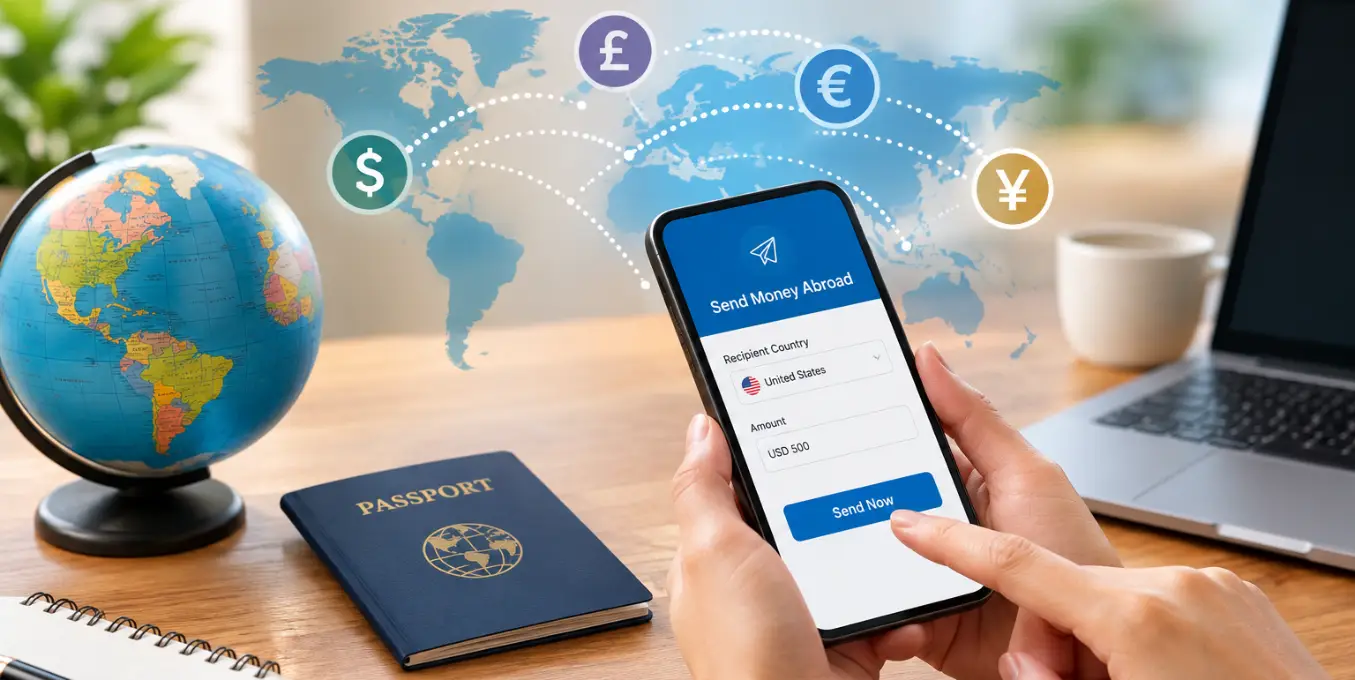
Digital Wallets are mobile-based apps or online platforms that allow users to make payments or transfer funds digitally. Common examples include Google Pay, PayPal, Apple Pay, and Revolut. While they are convenient, their use in a foreign country mainly depends on the nation and on the merchant network in the country.
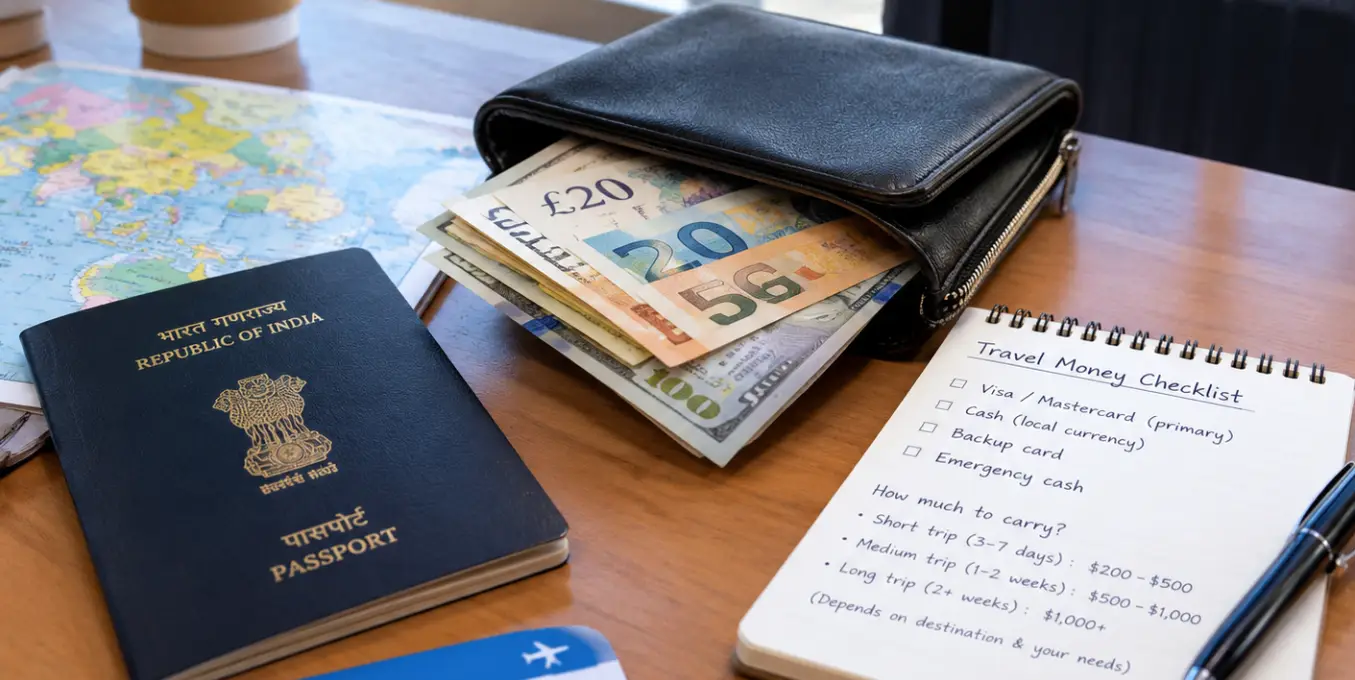
Forex Cards, on the other hand, are prepaid travel cards, which enable you to load various foreign currencies at predetermined exchange rates. These operate similarly to a debit card, allowing for purchases, online transactions, and ATM withdrawals in overseas locations. Many frequent travellers consider them the best forex cards for international travel because they are easy to use, widely accepted, and protect you from exchange rate fluctuations.
In short, digital wallets would be more convenient in the online world, whereas forex cards would be more practical in the real world of travelling.
Key Differences Between Digital Wallets and Forex Cards
Here’s a quick look at how these two payment methods compare for international use:
| Feature | Digital Wallets | Forex Cards |
| Currency Handling | Supports multiple currencies, but may convert at the time of payment | Can be preloaded with multiple currencies at locked-in rates |
| Exchange Rates | Fluctuates at transaction time, often includes conversion charges | Fixed at the time of loading, saving money on rate changes |
| Acceptance Abroad | Limited to merchants or countries that support specific wallets | Accepted worldwide at millions of ATMs and payment terminals |
| Internet Dependence | Requires Wi-Fi or mobile data to function | Works offline like a debit or credit card |
| Security | Dependent on device and app security | Chip & PIN protection, not linked to your bank account |
| Fees | Can include hidden conversion or withdrawal charges | Transparent charges with no cross-currency mark-up within the same currency zone |
| Ideal For | Online purchases and tech-savvy users | Travellers making in-person payments abroad |
The comparison shows that while digital wallets offer speed and comfort, forex cards provide more stability, control, and global acceptance essential for travellers exploring multiple countries.
Advantages of Using a Forex Card
Forex cards are becoming the preferred choice for travellers because they combine convenience with cost efficiency. Here’s why they are considered the best forex cards in India for someone who is travelling abroad:
1. Locked-In Exchange Rates
Once you load money into your forex card, the rate is fixed at that point. It implies that you will not be influenced by daily currency fluctuations when travelling, which is a significant benefit in a market that is so unpredictable.
2. Multi-Currency Convenience
A Forex card enables you to store and spend various currencies using a single card. Whether in London, Paris, or Singapore, the card automatically identifies and withdraws the appropriate currency at the time of purchase.
3. Global Acceptance
Used at millions of stores, ATM machines, and online systems all over the globe, forex cards work perfectly, wherever you are. There is no concern about local compatibility or internet access, as is the case with digital wallets.
4. Enhanced Security
Forex cards are Chip and PIN secured, and they are not connected to your main bank account. In the event of loss or theft, they can be easily blocked and replaced, ensuring your funds are not compromised.
5. Budget Management and Openness.
A prepaid balance will enable you to stay within your budget and prevent overspending on your credit card. You also receive transaction reminders and statements, which help you track all your expenses.
6. Lower Fees and Charges
Forex cards can save on additional expenses, such as international transaction fees or markup fees that are typically charged on credit cards or wallets. This makes them one of the most affordable payment methods for international travellers.
Among the many providers in India, Unipay Forex offers some of the best forex cards for international travel, combining great exchange rates, fast service, and the reliability of Thomas Cook’s trusted expertise.
When Digital Wallets Can Be Useful
While forex cards are better suited for most travel needs, digital wallets still have their advantages in certain situations:
- Online Subscriptions or Bookings: Wallets like PayPal and Apple Pay are handy for online purchases or international subscriptions.
- Contactless Transactions: In countries where digital wallets are widely accepted (such as the UK or the US), they make small payments quick and easy.
- Splitting Bills: Apps like Revolut or Wise let you share bills with fellow travellers instantly.
However, wallets have limitations. They depend heavily on internet connectivity, may not be accepted in remote locations, and often include hidden foreign transaction fees. Travellers should therefore carry both a digital wallet for convenience and a forex card for reliability.
Which Is Better for International Travel?
If your goal is smooth, cost-effective, and worry-free spending abroad, forex cards clearly come out ahead. They provide fixed exchange rates, wider acceptance, better security, and lower fees, all the qualities that make them the best forex card in India for international travel.
Digital wallets, while convenient, often struggle with network compatibility, fluctuating rates, and hidden service charges. In contrast, the Forex card offered by Unipay ensures stability, control, and convenience, essential features for anyone travelling across borders.
By using a forex card, you can plan your travel budget better, avoid unnecessary costs, and enjoy complete peace of mind knowing your money is safe and accessible wherever you go.
Final Thoughts
Both digital wallets and forex cards have their place in today’s cashless world. But when it comes to international payments, forex cards are clearly more dependable. They combine security, predictability, and global accessibility, making them ideal for frequent flyers and first-time travellers alike.
If you’re planning a trip abroad soon, consider getting a Forex Card. It offers competitive exchange rates, easy multi-currency loading, and excellent support, making it truly one of the best forex cards in India for international travel.
Travel smart. Spend wisely. And let Unipay Forex take care of your global payments while you focus on your journey.