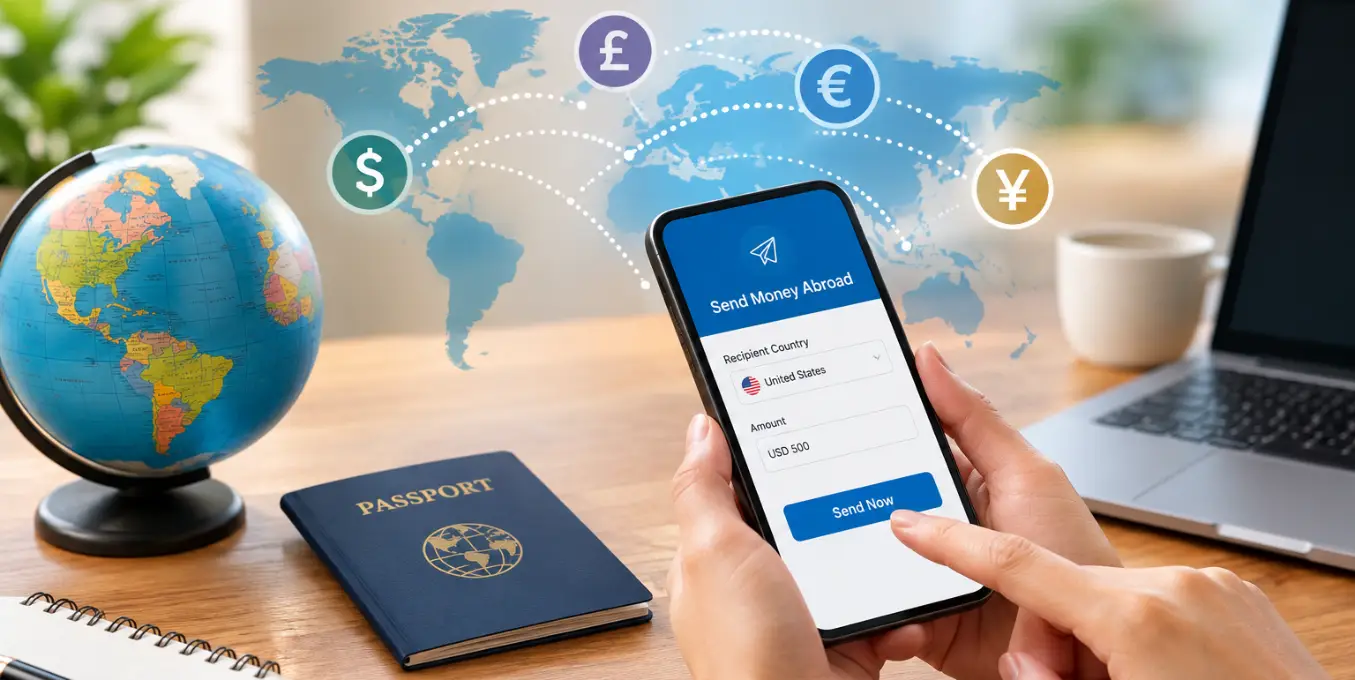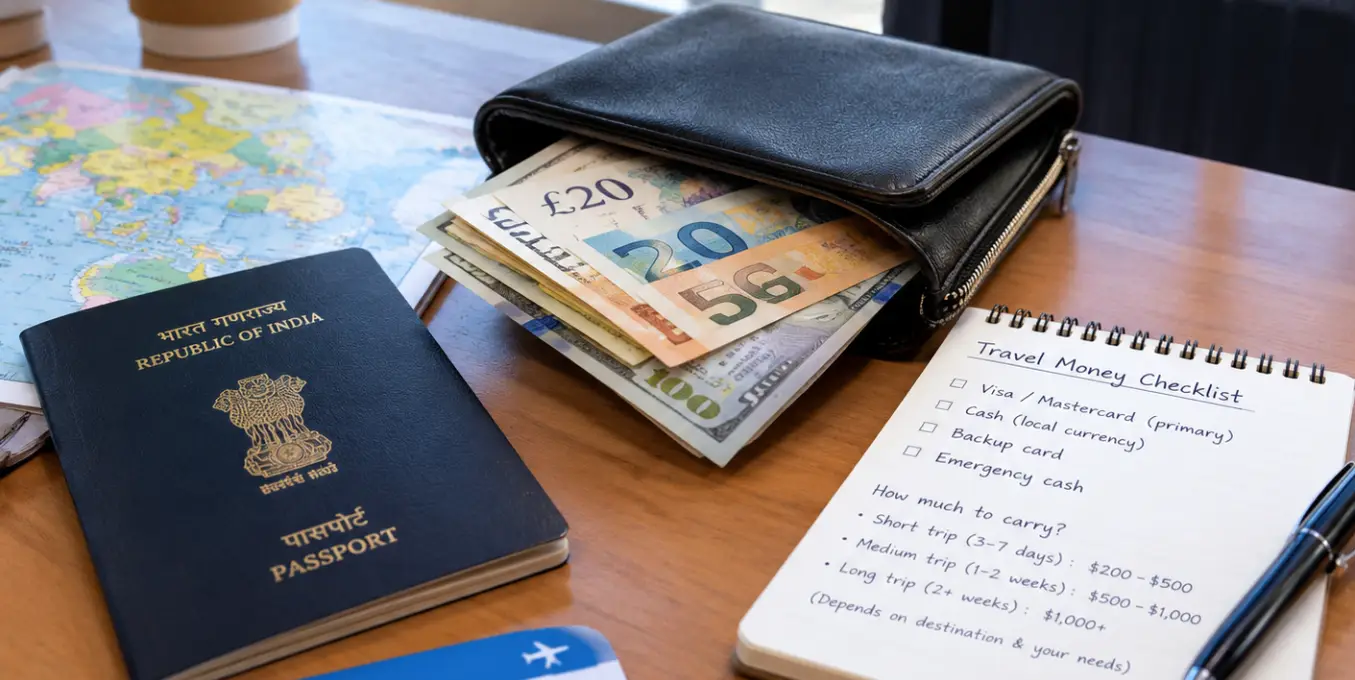

In the fast-paced digital age of today, wire transfer has become an integral part of international finance. When you send money through a wire transfer, you can be charged a good handful of fees, although you can likewise avoid them. This blog is your ultimate wire transfer guide and contains all the information you need about wire transfers.
Let’s Get Started!
Wire Transfer Guide
It is an electronic transfer of funds from one individual or organisation to another. It is commonly referred to as “EFT” (Electronic Funds Transfer). As opposed to traditional payment methods like checks or cash, wire transfers are offered by banks or other financial organizations.
There are two primary types of wire transfers:
A) Domestic Wire Transfers
This product transfers funds from one bank account to another within the same country. You can transfer money to relatives or friends or make significant purchases.
(B) International Wire Transfers
It’s easier than ever to transfer money between countries. They are sent for all sorts of reasons, whether it be international business deals, remittances or as payments for services delivered abroad. International wire transfers, on the other hand, tend to process more slowly because multiple banks get involved and currency has to be translated.
Wire Transfer Guide: Process
There are several steps involved in making a wire transfer.
Initiating The Transfer
There is certain information you will need to make a wire transfer, the recipient’s name, account number, and the banks details.
Checking And Authorization
After you give the relevant information, your bank will confirm the payment and grant your request. This is a measure to prevent fraud and protect your funds.
Transmitting The Funds
Once validated, your bank will send the funds electronically to your recipient’s bank via a secure network. For global transfers, intermediary banks may also be utilized to process the transfer across borders.
Receipt And Confirmation
The receiving bank of the recipient accepts the funds and credits the funds into the account of the recipient. Both the originator and receiver are notified of the successful payment.
Security Measures for Wire Transfers
Security is a major concern when financial transactions and wire transfers are no exception. Consider the following security precautions to safeguard the safety of your funds:
a) Two-Factor Authentication
Choose banks that offer 2FA for wire transfers. It adds extra security by sending a verification code to your mobile device before allowing the transfer.
b) Secure Websites and Apps
Always initiate wire transfers through secure and verified banking websites or mobile apps. Avoid using public Wi-Fi networks to prevent potential hacking attempts.
c) Double-Check Recipient Information
Double-check the recipient’s account details before confirming the transfer to ensure accuracy. Sending funds to the wrong account is difficult to rectify.
d) Stay Informed
Keep updated about the latest scams and fraud tactics. Be cautious about unsolicited emails or calls asking for personal or financial information.
Alternatives to Wire Transfers
While wire transfers are a widely-used method for sending money, several alternative options are available, each with its advantages and limitations. Let’s explore some popular alternatives to wire transfers:
Online Payment Platforms
This makes it simple to send money to friends, family, and businesses both locally and worldwide. These are useful for small-scale transactions due to reduced fees and faster processing times than standard wire transfers.
Cashier’s Checks and Money Orders
These are safe payment options for big purchases. They are generally recognised and are available for purchase from banks and financial organisations.
Useful Tips from International Wire Transfer Guide
There are specific things to keep in mind while performing international wire transfers to guarantee a seamless and cost-effective process:
Select the Most Appropriate Service Provider
Compare the costs and exchange rates given by various banks and money transfer firms. Some financial institutions may provide better rates and reduced fees for overseas transfers.
Use SWIFT/BIC Codes
Use the SWIFT (Society for Worldwide Interbank Financial Telecommunication) or BIC (Bank Identifier Code) codes when supplying recipient bank data. These codes help in identifying banks during international transfers and minimise errors.
Consider Transfer Speed
International wire transfers may take a few business days. If time is crucial, inquire about expedited transfer options, which may incur additional costs.
Inform the Recipient
Let the recipient know you are sending an international wire transfer. This will ensure they know the incoming funds and can anticipate their arrival.
Plan for Time Zone Differences
Remember the time zone differences between your location, the recipient’s location, and the intermediary banks involved. This will help you manage expectations regarding the transfer’s processing time.
In Conclusion
Wire transfers and electronic funds transfers are vital in facilitating seamless financial transactions worldwide. Understanding the various forms of wire transfers, the method involved, the associated costs, and security precautions will enable you to make informed financial decisions. You can confidently traverse the world of wire transfers and make the most of this efficient and dependable financial tool by following the advice provided in this definitive guide. Connect with us to know more in this regard.